Last Mile Logistics: Plugging the 53% Revenue Leak in Manila
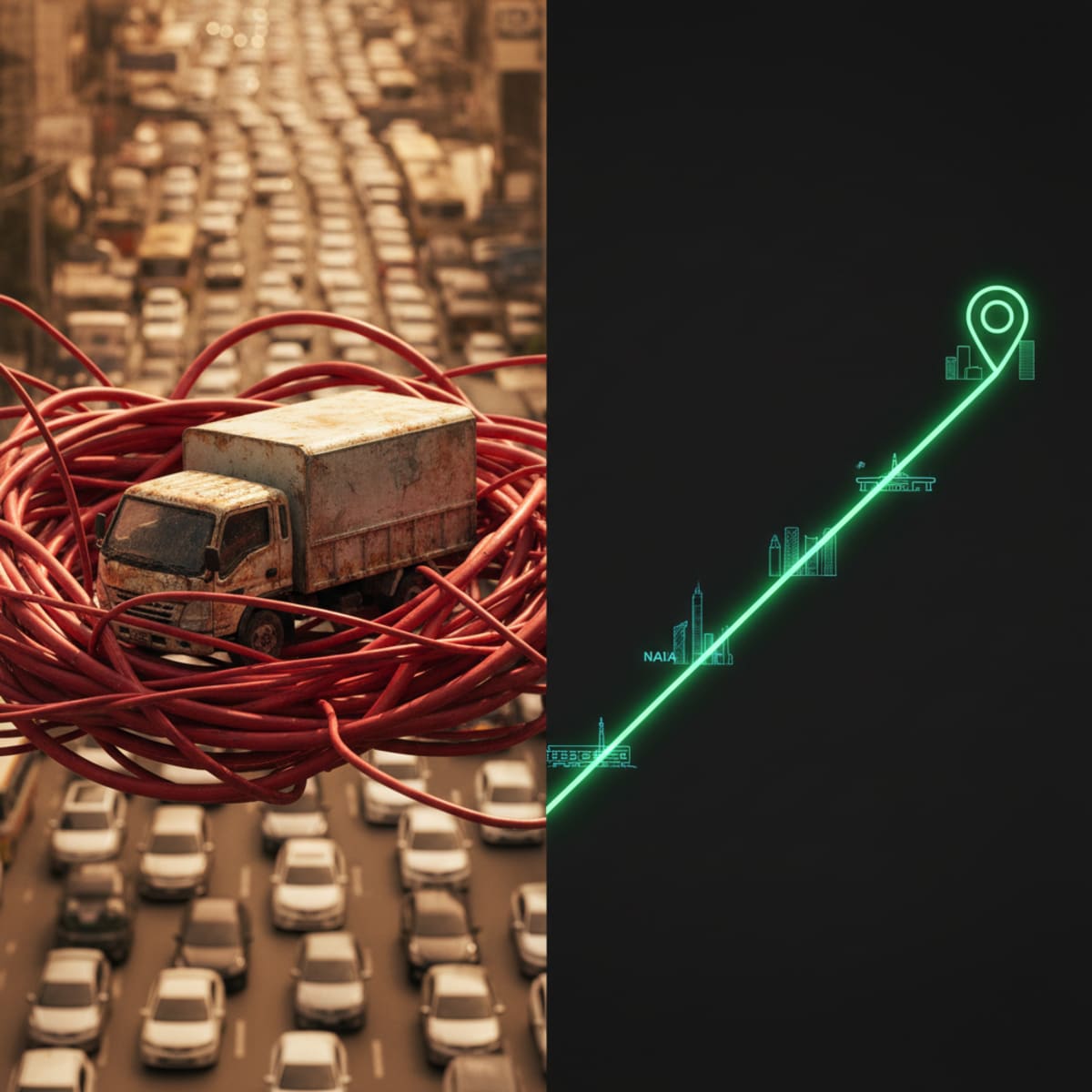
Quick Answer: Last Mile Logistics in Manila faces a unique "double-threat" of chaotic urban density and outdated location data. AI optimizes delivery routes by analyzing real-time traffic patterns in high-congestion zones like Binondo and Port Area, while ensuring digital visibility on platforms like Google Maps. This reduces the "last mile" cost—which currently eats 53% of shipping expenses—and minimizes failed deliveries caused by unverified addresses.
The Logistics industry is currently suffering from a silent hemorrhage. It isn't just about fuel prices or driver shortages; it is about the "Invisible Mile"—the gap between where a map says a business is, and where it actually sits.
In the Philippines, logistics isn't just moving boxes; it's navigating a maze. When a driver is stuck in Parañaque circling a warehouse that doesn't appear correctly on Waze, you aren't just losing time. You are bleeding revenue.
By The Numbers: The Cost of Inefficiency
The data from 2024-2025 paints a stark picture of the logistics landscape in Metro Manila:
- 53%: The portion of total shipping costs consumed solely by the Last Mile. (Source: DHL/FedEx Data)
- PHP 3.5 Billion: The daily economic loss attributed to traffic congestion in Metro Manila.
- 27%: The staggering percentage of sales revenue that Philippine businesses lose to logistics-related expenses.
The Digital Infrastructure Gap
Most logistics strategies focus on physical assets: more trucks, faster bikes, larger warehouses in the Port Area. They ignore the digital asset: Findability.
If your dispatch hub in Bonifacio Global City (BGC) isn't an authority entity on the Knowledge Graph, AI dispatch systems and customer search queries fail. Your driver is efficient, but his destination data is flawed.
The Three Approaches to Last Mile Optimization
We see three distinct methodologies in Manila today. Only one offers true Revenue Protection.
| The Old Way (Human Only) | The Ghost Way (AI Only) | The LocalEnhance Way (Hybrid) |
|---|---|---|
| Reliance on memory: Drivers "just know" the shortcuts through Quiapo. | Reliance on algorithms: Blind adherence to GPS that sends trucks into one-way barangay roads. | Reliance on Authority: AI route planning backed by verified Location Entities. |
| Reactive: Solving problems after the driver calls "I'm lost." | Predictive but Flawed: Optimizes for speed, ignores local context (e.g., flood zones). | Diagnostic: Pre-validating every touchpoint so humans and crawlers see the same map. |
| High Cost: Missed deliveries cost $17.20 per instance. | Volume Focus: High throughput, low customer satisfaction. | Revenue Protection: Ensuring the destination exists digitally before the truck leaves. |
Why "Entity" Matters in Logistics
In the era of AI Search (GEO), your business location is an entity. If you run a distribution center near the Ninoy Aquino International Airport (NAIA), you need to be linked to that landmark digitally.
Crawlers from Perplexity or Google need to understand the relationship between your business and the South Luzon Expressway (SLEX). Without this "Entity-First Linking," your business is invisible to the advanced navigation systems trying to route drivers to you.
LocalEnhance bridges this gap. We don't just optimize the route; we optimize the destination. We ensure that when an AI looks for your logistics hub, it finds a verified, authoritative entity, not a dead link.
Stop the Bleed
You cannot afford to lose 27% of your revenue to logistical friction. The traffic in Manila is unforgiving enough without adding digital confusion to the mix.
Future-proofing your logistics means ensuring your digital footprint is as solid as your physical one. It is time to stop guessing and start diagnosing.
Ready to future-proof your business? Partner with LocalEnhance today.