Rank For Attributes: Capture Niche Neighborhood Traffic
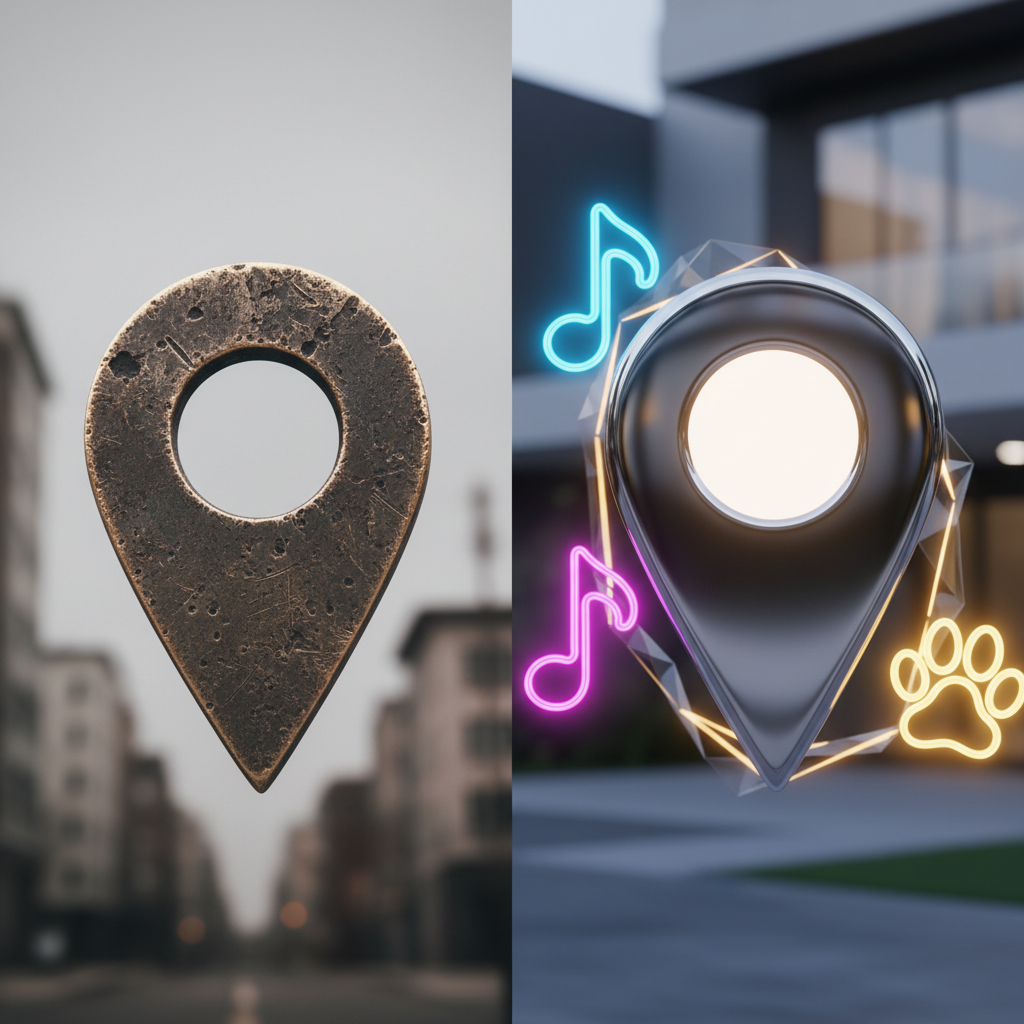
How to rank for 'Live Music,' 'Remote Work Friendly,' or 'Dog Friendly'?
To rank for niche attributes, you must move beyond basic keywords and structure your data for Answer Engines. This involves explicitly tagging your Google Business Profile with specific attributes (e.g., "dogs allowed," "live performances"), creating dedicated location pages that link to local landmarks, and using schema markup that tells AI crawlers exactly what amenities you offer, not just who you are.
The restaurant industry is currently suffering from Digital Invisibility. You might have the best Kare-Kare in Manila, but if an AI agent can't verify you have "fast Wi-Fi" or "pet-friendly patio seating," you simply do not exist to the modern searcher.
The Shift: From Keywords to Experiences
Diners in 2025 aren't searching for "restaurants in Manila." They are searching for specific experiences and permissions. If your digital footprint doesn't explicitly answer these questions, you are bleeding revenue to inferior competitors who do.
Consider the latest intelligence on how search behavior has mutated:
- 99% YoY Growth: Searches for "food near me" have nearly doubled, but the intent is now hyper-specific (2025 Data).
- 875% Surge: The query "open now" combined with attributes like "live music" or "outdoor seating" has exploded, signaling high-intent, immediate buyers.
- Visual Verification: 40% of diners will not visit a location without first seeing high-quality images validating the vibe (e.g., spotting a dog bowl or a laptop-friendly table).
Local Anchoring: The Neighborhood Trust Signal
To win, you must anchor your business to the "Knowledge Graph" of your specific locality. AI crawlers need to understand your relationship to the physical world.
If you run a cafe in Poblacion, Makati, you shouldn't just rank for "coffee." You need to be the definitive answer for "remote work friendly cafe near Power Plant Mall." By linking your content to neighboring hubs like the Rockwell Center or Century City, you tell Google that you are a relevant node in that specific geolocation.
Similarly, a bistro in Bonifacio Global City (BGC) targeting pet owners must signal proximity to High Street or the Burgos Circle dog park. This creates a geographical scent trail that AI algorithms prioritize over generic listings.
Stop Guessing, Start Structuring
Most restaurants rely on "hope marketing"—posting a photo on Facebook and hoping it ranks. This is the old way. The future belongs to those who speak the language of machines.
The Evolution of Visibility
| The Old Way (Human Only) | The Ghost Way (AI Only) | The LocalEnhance Way (Hybrid) |
|---|---|---|
| Relying on word-of-mouth and random Instagram posts. | Spamming keywords hidden in white text (get penalized). | Structured Data Attributes: Explicitly tagging "Live Music" in schema markup. |
| Menu PDF uploads (AI cannot read these). | AI-generated generic blog posts with no local relevance. | HTML Menus: Crawlable text that ranks for specific dishes like "Wagyu Burger." |
| Hoping customers mention "dog friendly" in reviews. | Fake reviews (illegal and dangerous). | Review Management: Encouraging customers to use specific attribute keywords naturally. |
The difference is stark. One method leaves your revenue to chance; the other builds a defensive moat around your business.
Ready to future-proof your business?
Don't let invisible technical errors bleed your monthly revenue.
Partner with LocalEnhance today